What Is Cryptocurrency Mining and How Does It Power Bitcoin?
Discover how cryptocurrency mining secures Bitcoin using Proof-of-Work, earning miners rewards while powering a decentralized network. Learn the basics now!
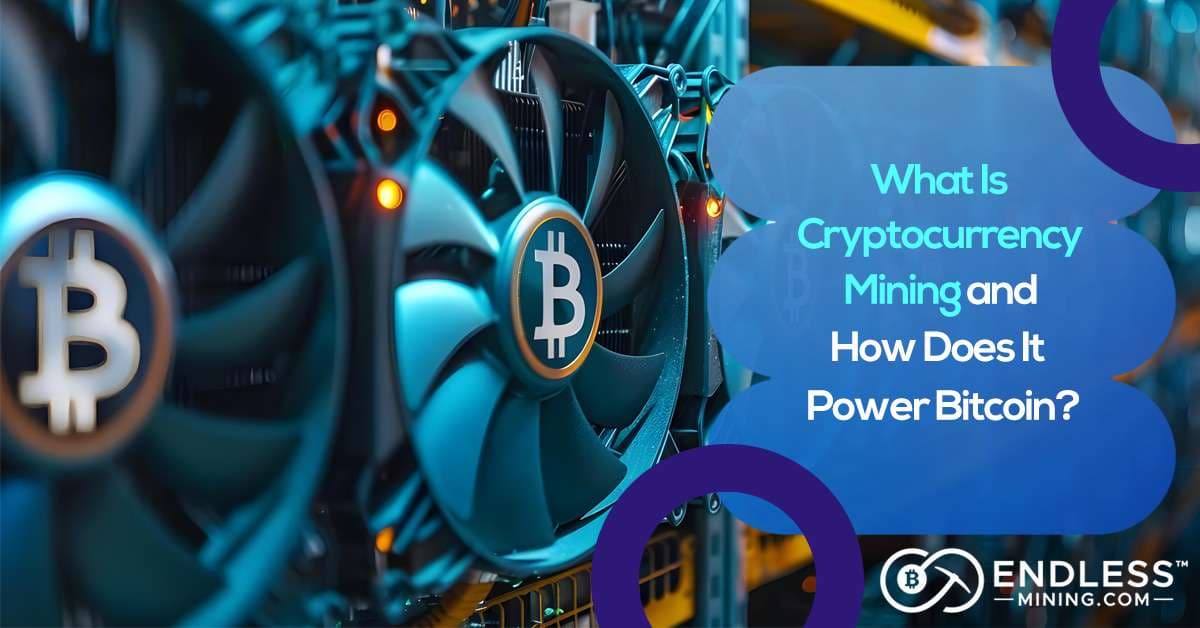
� � �Imagine you�re panning for gold in a river, but instead of a pan, you�re using a computer, and the gold is digital coins like Bitcoin. That�s cryptocurrency mining in a nutshell! It�s how people with powerful computers check and record transactions on a blockchain�a giant, shared online record book for cryptocurrencies. Miners solve tricky math problems to lock in these transactions, and when they succeed, they get rewarded with new coins. It�s like earning a prize for keeping the system honest and safe.
�
How Does It Work?
For Bitcoin, mining uses something called Proof-of-Work (PoW). Think of it like a race:
- Picture a bunch of people sending Bitcoin to each other�buying coffee or trading online. Those transactions need to be checked and saved.
- Miners, all over the world, use their computers to crack a tough math puzzle. It�s like guessing the combo to a giant lock�only one answer works.
- The first miner to figure it out adds the transactions to the blockchain and wins 3.125 new Bitcoins as of 2025.
�
Why It Matters
Mining is the backbone of Bitcoin because it:
- Secures the network by making cheating computationally expensive.
- Validates every transaction, stopping double-spending (using the same coin twice).
- Keeps things decentralized, with miners spread across the world, not under one roof.
�
� � �Picture a massive, ongoing math test where the fastest student gets paid�except the test never ends, and the questions get harder as more join in.
�
Detailed Mechanics of Proof-of-Work
Proof-of-Work (PoW) is Bitcoin�s core mining rule. Here�s the technical scoop:
- Hashing Basics: Miners take a block of transactions and run it through the SHA256 algorithm, producing a hash�a 64-character string like �0000000000000000057��. The catch? It must start with a certain number of zeros, set by Bitcoin�s difficulty level, which adjusts every 2,016 blocks (about two weeks) to keep blocks coming every 10 minutes.
- Nonce Hunting: To get the right hash, miners tweak a �nonce� (a random number) and rehash repeatedly�sometimes billions of times. It�s brute force computing: guess, check, repeat.
- Hardware Edge: Speed matters, so miners use Application-Specific Integrated Circuits (ASICs)�custom-built machines that crunch hashes crazy fast, like 335 terahashes per second for top models costing over $5,000. Graphics Processing Units (GPUs) work, too, but they�re much slower than a machine built for only one specific task�to mine.
�
� � �Pools are key for small players: thousands team up, splitting rewards based on effort. Solo mining with a regular PC? It�s like racing a scooter against a jet�technically possible, but you�re not winning.
�
Rewards and Incentives
Miners earn through:
- Block Rewards: Every block nets 3.125 BTC as of 2025, post-2024 halving. Started at 50 BTC in 2009, it halves every four years�next drop to 1.5625 BTC in 2028. At $83,550 per BTC (a recent price), that�s about $261,000 per block. By 2140, all 21 million Bitcoins will be mined, ending this payout.
- Transaction Fees: Users attach fees to transactions for priority�like slipping a barista a dollar for quick coffee. As rewards shrink, fees will grow in importance.
�
Environmental and Legal Considerations
� � �Mining�s energy appetite is huge�around 160 terawatt-hours yearly, or 2% of global use. That�s like powering millions of homes, and if it�s from dirty sources like coal, it�s a climate headache. Some miners counter this with renewables�solar farms or wind turbines�cutting the carbon footprint.
� � �Legally, it�s a patchwork. The U.S. dominates with 40% of global hash rate, thanks to cheap power in places like Texas. But some countries ban it outright or tax it heavily, citing grid strain or illicit cash concerns. Miners have to dodge these hurdles like a game of whack-a-mole.
�
Challenges and Future Outlook
� � �Mining�s got issues: big players with ASICs can push out small timers, nudging Bitcoin toward centralization. Regulators keep shifting goalposts�some embrace it, others slap it down over power or eco-worries. The future? More green energy could soften the blow, and as rewards dwindle, miners might lean harder on fees or new tech tricks.
�
Conclusion
� � �Bitcoin mining via Proof-of-Work keeps the blockchain ticking�securing it, verifying it, rewarding it. It�s a tech marvel with a big footprint, blending math, machines, and money. If you�re curious about how to get started�whether it�s picking the best hardware, or understanding the latest trends�EndlessMining (EndlessMining.com) has you covered. We�re your go-to spot for beginner-friendly tips, expert insights, and everything you need to turn your interest into action. Visit us today and start your mining journey with confidence!